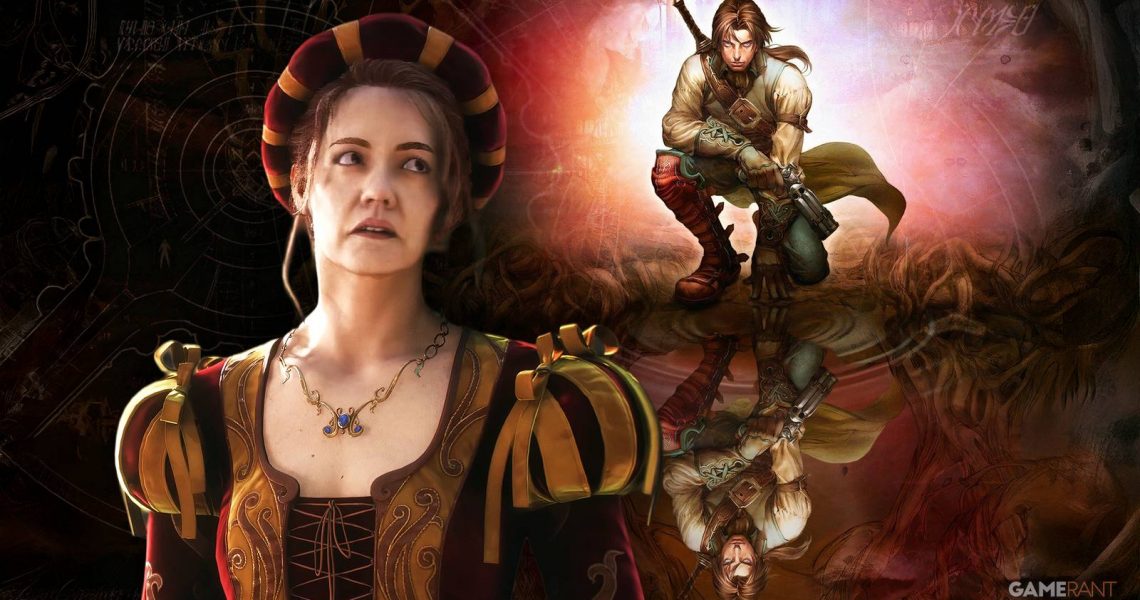
New Fable Game Is Making a Controversial Change to the Morality System
Playground Games’ upcoming Fable reboot is without a doubt one of the most anticipated titles of 2026, but it has still not managed to avoid controversy on many fronts. While former controversies revolved around the game’s protagonist and delays, the former has at least been resolved as of the recent Xbox Developer Direct, where PG confirmed that there would be character customization in the game. However, while the Developer Direct did silence one controversy, it seems to have created another. In short, Fable‘s new take on the series’ morality mechanics has simultaneously axed its iconic morality-based appearance system, according to a recent IGN interview with Playground Games.
Even so, impressions of the Fable showcase during the Xbox Developer Direct have been largely positive, with the upcoming reboot proving to look more and more like a worthy heir of the series’ name and legacy. Playground Games made it clear during the event that their intentions were to create an authentic Fable experience, and the return and improvement of features like its property ownership and real estate system, its NPC romance and relationship mechanics, and its standout combat and exploration bode well for fans who have been waiting nearly 16 years for another game.
Playground Games’ Fable Reboot Won’t Feature the Series’ Iconic Morphing System
In the original Fable games, morality was everything. Every choice the player made affected whether they were good, evil, or somewhere in between, and those decisions weren’t confined to a stat screen. Instead, they changed how the world reacted to the player and, just as importantly, the player’s appearance. Acts of kindness or cruelty left visible marks on the Hero’s body, turning morality into something players couldn’t simply ignore. Over time, this idea evolved into what Lionhead called the Morphing system, a mechanic that tied player behavior directly to physical transformation and made moral alignment visible in a way few RPGs had attempted before.
How Fable’s Morphing System Evolved Through Each Entry
Fable (2004)
- Good vs Evil alignment directly alters physical look.
- Good heroes get a halo, butterflies, lighter features, sparkling light above the head.
- Evil heroes gain horns, flies, red glowing eyes, red haze, and more sinister features.
Fable 2 (2008)
- The system features two scales: Good/Evil and Purity/Corruption.
- Good results in light complexion, blonde hair, blue eyes, halo and glowing teeth.
- Evil yields darker skin, horns, red or green eyes, scars, and flies.
- Mixed alignments produce varied combinations of traits.
- Purity/Corruption affects character look separate from Good/Evil.
Fable 3 (2010)
- Appearance changes are much more subtle compared to Fable 2.
- Evil alignment may cause paler skin with darker eyes and subtle markings
- Good alignment gives fairer skin and lighter eye tones, but dramatic changes are reduced.
Fable’s New Subjective Morality System Won’t Allow for Character Morphing
As iconic as Fable‘s character Morphing system is, though, the upcoming reboot won’t feature it—and there is a justifiable reason why. “That sort of character morphing feature,” Playground Games general manager Ralph Fulton said during the interview, “obviously a really central part of the original games. It’s not in ours. And I’ll tell you why. I guess it’s about that high-level principle…that there is no objective good and evil. And the original games were predicated on there being an objective good and an objective evil, and you were somewhere along that scale, and that’s what determined how your appearance changed.”
As iconic as Fable‘s character Morphing system is, though, the upcoming reboot won’t feature it—and there is a justifiable reason why.
In the end, it comes down to the fact that the Fable reboot doesn’t feature the original trilogy’s hero-villain dichotomy. Rather, it evolves that system by making it subjective and not objective. Naturally, the absence of the series’ character Morphing system in the reboot has stirred up controversy, with Reddit posts like this one from user PotatoProducer reflecting that. But ironically, over time, its binary morality system also became controversial, as players wanted more freedom over the experience. As such, this is one of those cases where you win some, you lose some, because in order for one group of players to get what they want, another group has to make a sacrifice.
“The way I’ve described our morality system working, you’re never that thing, absolutely,” Fulton said. “You’re different things to different people based on what they like or what they choose to value. So, that’s one reason that [Morphing] didn’t work.” He goes on to elaborate on that point by saying that Fable‘s reputation system is based on individual perception, and for a character’s appearance to change before they’ve even had a chance to interact with people would contradict that philosophy. Ultimately, this means the Fable reboot is less interested in judging the player and more focused on letting Albion do that organically—and whether that is a good thing is, ironically, a subjective point of view.



- Released
-
2026
- Publisher(s)
-
Xbox Game Studios
- Engine
-
unreal engine 4, forza tech