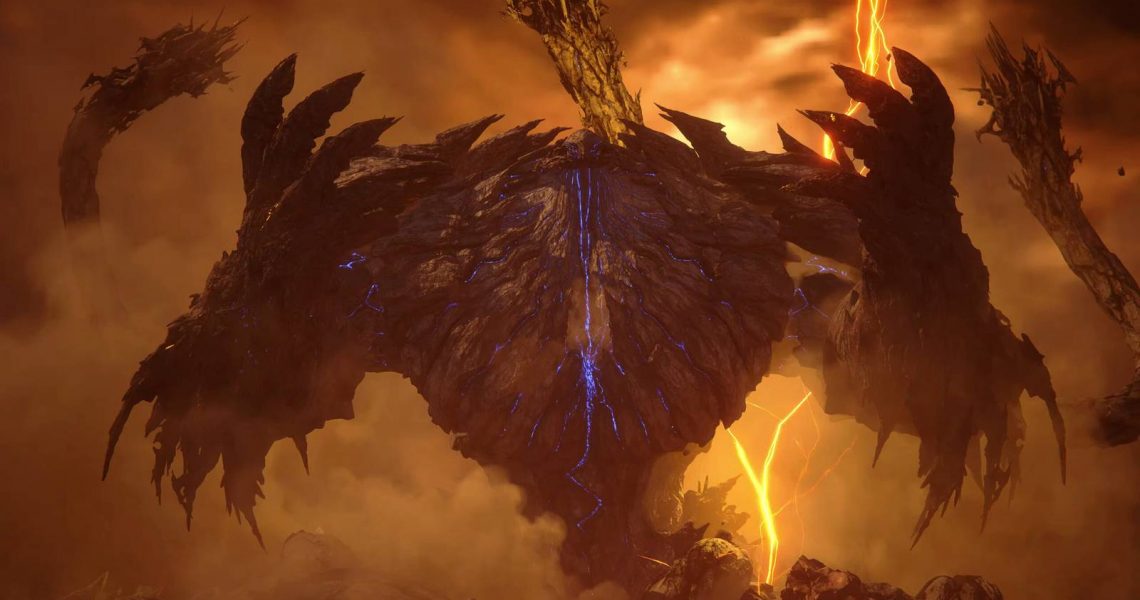
The 89 OpenCritic RPG That Makes Final Fantasy 16 Feel Slow in Comparison
Final Fantasy 16 is a controversial game, no doubt about that. While many fans praise its darker and more mature storytelling relative to its predecessors, as well as its visuals, art direction, voice acting, and single-player gameplay, others have found it underwhelming. This shouldn’t come as a surprise—any franchise as long, storied, and diverse as Final Fantasy is bound to spawn conflicting opinions within its fanbase.
But still, there are areas in which Final Fantasy 16 can be considered something of a letdown. For one thing, the series’ pivot into character-action proclivities and away from RPG staples led to a repetitive and streamlined combat sandbox. The Final Fantasy 7 remake saga shows exactly what FF16‘s combat could have been. Look just a bit beyond the Final Fantasy institution, and you’ll find a bevy of ambitious and exciting projects that do character-action combat, mature storytelling, and ARPG fundamentals better than Final Fantasy 16. Of those, few contemporary ARPGs are better examples of this than NieR: Automata.
Incidentally, NieR: Automata and Final Fantasy 16 were both published by Square Enix. However, NieR was developed by PlatinumGames, whereas FF16 came from an internal Square Enix studio.
If You Like Final Fantasy 16’s Combat, You Owe It to Yourself to Check Out NieR: Automata
Epic boss battles and flashy, blisteringly fast melee combos are among the load-bearing pillars of Final Fantasy 16‘s combat sandbox. It can be argued that the game was inspired, at least in part, by PlatinumGames’ action games like Bayonetta, Metal Gear Rising: Revengeance, and, of course, NieR: Automata. But FF16 doesn’t hold a candle to such games, at least in the gameplay department.
NieR emphasizes the same intense, twitch-reaction combat as Final Fantasy 16, but with additional layers. Not only is the game suitably chaotic (it often feels like Bayonetta on fast-forward), but it also borrows from other genres, including bullet hell, side-scrolling platforming, and twin-stick shooter. This interweaving and shuffling of different combat sandboxes makes NieR‘s gameplay a better balance of reaction time, button skill, and risk management, whereas something like Final Fantasy 16, while donning many of the same trappings, can often be conquered via button-mashing and XP grinding.
NieR: Automata Nails at Least One ARPG Convention Better than Final Fantasy 16 Does
I would make the argument that progression, customization, and build-crafting are more important for ARPGs to get right than moment-to-moment combat. These elements are what separate the genre from traditional action games, after all. Unfortunately, Final Fantasy 16 approaches these conventions in the most pedestrian way possible, designing progression around boring skill trees and fairly uninnovative gear and accessories. To make matters worse, much of how players empower themselves is by unlocking new cooldown abilities, which add little strategic value or depth despite their power.
Like most great ARPGs, NieR: Automata demonstrates creativity through its unusual progression and build-crafting tools. There is a standard leveling system, alongside other genre tropes like weapon upgrading, but the game introduces additional complexity and nuance through Plug-In Chips. This can be best conceptualized as a perk system, with more impactful perks requiring more storage, a resource influenced by specific in-game items. These perks can range from static stat increases, like a damage boost for light attacks, to more abstract or build-specific bonuses, like an ability that damages surrounding enemies upon healing the player-character. Famously, players can even eliminate for-granted in-game elements, like the HUD, in exchange for more chip storage.
This freedom, counterbalanced by the inherent restrictions imposed by storage space, allows NieR: Automata to provide a progression model that is at once thoughtful, intentional, and flexible, rewarding experimentation and forethought. Testing out different builds, seeing how certain chips synergize with certain weapons, and exploring high-risk, high-reward playstyles are all encouraged by this innovative progression formula, and innovation so often separates the wheat from the chaff.
A More Mature, Nuanced Story Than Final Fantasy 16’s Can Be Found Within NieR: Automata
Much has been said about NieR: Automata‘s various endings, its unabashed homages to classical, Renaissance, and Biblical philosophy, and its bizarre Yoko Taro-isms, but all these strengths really need to be experienced firsthand. Like other eccentric auteurs in the gaming world (e.g., Hideo Kojima, Fumito Ueda, Suda51), Yoko Taro creates projects with a one-of-a-kind character, a palpable tone and atmosphere that only he, seemingly, is able to create.
Not only is NieR‘s science-fiction world unexpectedly sophisticated and bold, but it also does much of what Final Fantasy 16 promised to do. It is mature and multifaceted, prompting difficult questions with no clear answers, and letting players live through complex, flawed characters. Final Fantasy 16 succeeds in these aims sometimes and fumbles at others; NieR: Automata sticks the landing consistently.
It may not perfectly scratch the Final Fantasy itch, being much less colorful, at least, but NieR: Automata is close enough to Final Fantasy 16 in spirit and construction to warrant the comparison. If you’ve missed out on NieR for whatever reason, but games like Final Fantasy 15 and 16 tickle your fancy, the game is certainly worth turning back the clock for.



- Released
-
June 22, 2023
- ESRB
-
M For Mature 17+ Due To Blood and Gore, Partial Nudity, Sexual Themes, Strong Language, Violence