It’s a Little Sad That No Open-World Game Has Topped The Witcher 3’s Side Quests
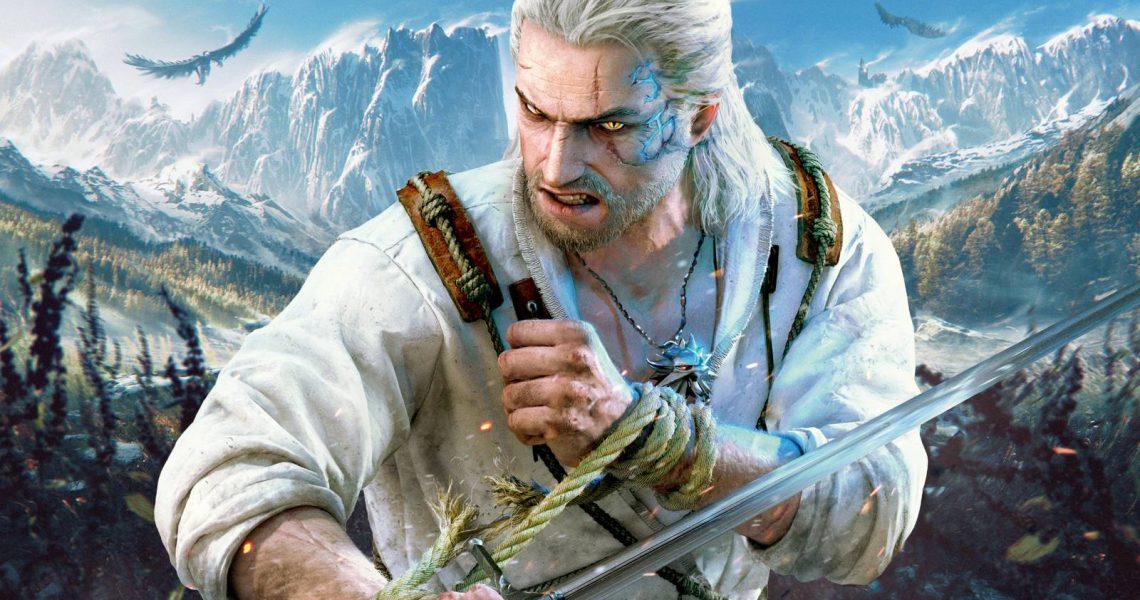
The Witcher 3 debuted with overwhelmingly positive reviews and went on to win Best RPG and Game of the Year at The Game Awards in 2015, roughly ten years ago. Its success didn’t end there, as it went on to win over 250 awards and became the most awarded game of that time. A lot of The Witcher 3‘s successes could be attributed to its layered characters, rich setting, and compelling narrative, but there’s no doubt that its side quests played a major role in its reception and legacy.
The Witcher 3 is full of notable side quests that build upon the setting, such as Where the Cat and Wolf Play, a story about another Witcher who slaughtered a village that refused to pay his fee. Side quests like Now or Never and The Last Wish also give players the opportunity to fully engage with the story of Geralt’s love interests, Triss Merrigold and Yennefer of Vengerberg. Many of the game’s side quests task the player with making difficult choices, most of which don’t result in outcomes that can’t strictly be categorized as good or bad. While side quests may be considered optional content in The Witcher 3, the strength of their short-form storytelling means that many players who skip them are truly missing out on some of the game’s best moments. And yet, despite this clear blueprint, no other game has really lived up to its side quests.

Why Open-World Side Quests Often Struggle Under their Own Weight
Open-world games like The Witcher 3 often seek to give gamers an immersive experience without sacrificing freedom and player agency, but it can be a difficult balancing act. Main quests should offer a compelling narrative because it’s often the main reason fans pick up a single-player title. However, if the stakes are too high, it can cause a sense of narrative dissonance when players are regularly offered side quests to complete. Since many open-world titles allow players to engage with side content whenever they wish, it’s possible for a player to pause their progress on the main story for many hours in order to chase optional objectives. Such a pause can interrupt the game’s narrative flow and undercut the importance of what the overarching story is trying to achieve.
Plenty of titles struggle to find this balance, and even incredibly successful games like Skyrim can fall short. In Skyrim, the player is tasked with stopping Alduin the World-Eater, a dragon that could bring an end to everything. The stakes couldn’t possibly be higher, but characters will still ask the player for help with fairly trivial problems. For instance, in Dragon’s Breath Mead, a woman asks for the Dragonborn’s help with her drunkard husband. The player is tasked with fighting off some wolves and digging up a hidden cache of alcohol, which can then be turned over to either the woman or her alcoholic husband. It’s a humorous quest and a nice little story, but it completely undercuts the severity of the Dragonborn’s main mission, which is saving the world itself. Save the world or dig up some alcohol creates a disconnect beween the player, the game, the main quest, the side quest, and the world bringing them all together.
The Witcher 3, however, manages to have its cake and eat it too by expertly navigating the narrative challenges that are inherently present in many open-world titles.
Why Witcher 3’s Side Quests Are So Good
Part of what elevates The Witcher 3‘s optional content is just how neatly its side quests fit into the setting itself. As a Witcher, Geralt can often be found traveling from place to place while taking on jobs to hunt monsters. Witchers themselves play a vital role within a world where monsters can prey on the innocent, and most contracts come with high stakes for the village or the person who hired Geralt. Because of this, it doesn’t feel out of place or out of character for Geralt to spend his time helping others with their problems. That’s simply what Witchers do, and it’s a simple explanation that binds together the player, the game, the main quest, the side quests, and the world altogether—which often fall under scrutiny in other open-world games. Of course, the quality of the storytelling and gameplay associated with the quest play a big role too, but that explanation serves as a foundation that strongly supports all of its optional content.
In fact, these shorter stories that contribute to a larger whole have been baked into Geralt’s character from the beginning. In 1993, Andrzej Sapkowski, who created Geralt and the world of The Witcher, published a collection of short stories called The Last Wish. Many of the tales in The Last Wish lay the groundwork for who Geralt is and what it means to be a Witcher. They also served as a great example for CD Projekt Red, as the stories within The Last Wish are often filled with mystery, twists, and morally ambiguous decisions with outcomes that don’t really give anyone a happy ending.
The Witcher 3 is filled with tough choices from top to bottom, and that’s definitely to its benefit. Asking players to weigh out the consequences of their decisions often imbues quests with a sense of importance, which can make side content feel just as meaningful as the main story. It also adds to the game’s replay value, as some players will undoubtedly return to the title to see how things change when they make different choices. The fact that these side quests also avoid boiling every decision down to right and wrong also means that gamers don’t feel locked into the idea of a “good” or “evil” playthrough. Every choice comes down to preference, and they all fit within the scope of who Geralt is and what he’s trying to accomplish. All of these elements contribute to the feeling that every story being told is essential and prevents side quests from becoming a repetitive checklist of activities.
The Best Side Quests in The Witcher 3
- Where The Cat and Wolf Play
- Now or Never
- The Last Wish
- On Death’s Bed
- Missing in Action
- Precious Cargo
- Ghosts of the Past
- The Fall of the House Reardon
- A Towerful of Mice
- Return to Crookback Bog
- In The Eternal Fire’s Shadow
- Carnal Sins
- Reason of State
- …and so many more
What Future Open-World Games Should Learn From The Witcher 3’s Side Quests
- A compelling main narrative can still leave space for smaller, stronger stories within the setting.
- Giving players the ability to regularly make tough decisions imbues every quest with a sense of importance.
- Avoiding the good and evil dichotomy can make choices feel even more rich and fulfilling.
- Every side quest should feel like there are stakes high enough to warrant deviating from the game’s golden path.
- A plethora of side content doesn’t inherently have to feel like filler or bloat.
The Witcher 3, however, manages to have its cake and eat it too by expertly navigating the narrative challenges that are inherently present in many open-world titles.
With The Witcher 4 on the way, many gamers are hopeful that CD Projekt Red will be able to expertly navigate the challenges that come with creating such a large open-world title once again. This time, players will be following Ciri instead of Geralt, but her role as a Witcher within the world should allow for all the same narrative opportunities. Her unique powers may even allow for more unique opportunities that don’t just follow The Witcher 3‘s blueprint. However, there’s no way of knowing exactly how things will shake out, but The Witcher 4 certainly has the opportunity to expand upon the franchise’s enduring legacy.

- Released
-
May 19, 2015
- ESRB
-
M for Mature: Use of Alcohol, Blood and Gore, Intense Violence, Nudity, Strong Language, Strong Sexual Content