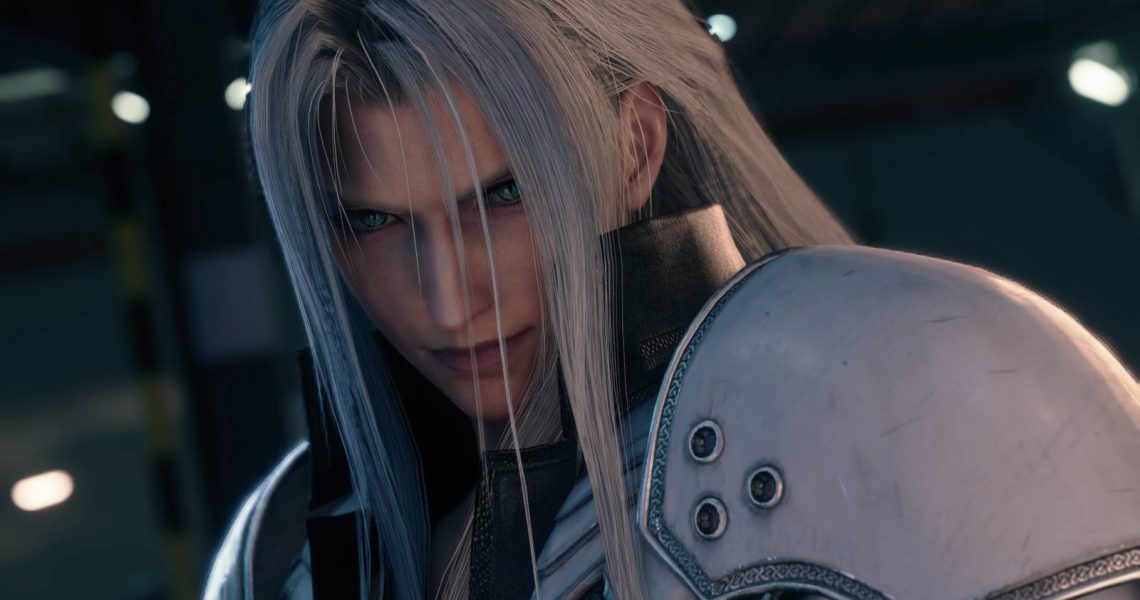
Final Fantasy 7 Remake Part 3’s Name and Engine Have Been Decided
Final Fantasy 7 Remake and Rebirth game director Naoki Hamaguchi said that the upcoming third chapter will continue utilizing Unreal Engine 4, and that the game’s official title had been locked in. The news about the Final Fantasy 7 Remake saga’s final chapter came amid a busy period for Square Enix’s fan-favorite RPG series.
On January 22, Final Fantasy 7 Remake Intergrade was released on the Switch 2 and Xbox Series X/S systems. Although the new ports came six years after the game’s original launch on the PS4, the arrival of Final Fantasy 7 Remake Intergrade marked the end of PlayStation’s console exclusivity window. Leading up to the launch of FF7 Remake Intergrade on Switch 2 and Xbox, Square Enix stated that the entire FF7 Remake series, including Final Fantasy 7 Rebirth and the yet-named third game, would also launch on Switch 2 and Xbox in the future.

“Getting a Role in That Meant a Lot” Final Fantasy 7 Rebirth’s Paul Castro Jr. Talks Landing His Dream Job
Paul Castro Jr. opens up about how he landed the role of Chocobo Billy in Final Fantasy 7 Rebirth and why the part meant so much to him.
The Name of Final Fantasy 7 Remake Part 3 Has Been Decided
In an interview with GameSpot, Hamaguchi shared some details about the series’ anticipated final chapter that fans should pay attention to. After following up with Final Fantasy 7 Rebirth creative director Tetsuya Nomura, Hamaguchi said that Final Fantasy 7 Remake Part 3‘s official title had been locked in. Hamaguchi said he spoke with Nomura sometime after the 2025 Paris Games Week in late October, and said that Final Fantasy 7 Remake Part 3‘s name was Nomura’s decision to make. Previously, Hamaguchi said that Final Fantasy 7 Remake Part 3 had its name narrowed down to two options and that the final title would be decided before 2026. However, Hamaguchi did not state what Final Fantasy 7 Remake Part 3 would officially be called, and did not give a timetable for when the name reveal would happen.
Additionally, Hamaguchi confirmed that Final Fantasy 7 Remake Part 3 would continue to utilize Unreal Engine 4 as the main game engine. Although Square Enix had considered the option to move FF7 Remake‘s third chapter off of Unreal Engine 4 in favor of Unreal Engine 5 and its graphical feature set, Hamaguchi said that the development team opted to make some modifications to the older Unreal Engine iteration. Hamaguchi added that it was more beneficial for Square Enix to use something that its developers were familiar with and then have it customized to suit the project at hand. A similar process was used for the development of Final Fantasy 7 Rebirth, which used a modified version of Unreal Engine 4 to support the game’s open-world environments. Given that current-gen consoles and modern gaming PCs can run Unreal Engine 4 titles at stable frame rates, the decision to keep the entire Final Fantasy 7 Remake trilogy on the same engine could be beneficial to gamers.
Final Fantasy 7 Remake Part 3 Looks to Give Fans What They Want
One of the other details that is known about Final Fantasy 7 Remake‘s final chapter is Square Enix’s plans to bring back Queen’s Blood as a mini-game. Introduced in Final Fantasy 7 Rebirth, Queen’s Blood is a turn-based collectible card game that plays out on a 3×5 board. Players take turns filling out the board with cards from their hand to capture tiles, which add points to their score. However, Hamaguchi said that Queen’s Blood would appear in Final Fantasy 7 Remake Part 3 with some improvements to the popular mini-game. Although Hamaguchi was not specific about what would be changing, the game would be expanded in some capacity.
Between the choice to stick with Unreal Engine 4 and the resolve to improve the story pacing issues that plagued Final Fantasy 7 Rebirth, Final Fantasy 7 Remake Part 3 has some tall tasks ahead of it. Though it still remains mostly shrouded in mystery, time will tell when Square Enix will pull back the curtain on one of the most anticipated titles of the current generation.


- Released
-
April 10, 2020
- ESRB
-
T for Teen due to Language, Suggestive Themes, Use of Alcohol and Tobacco, Violence
- Developer(s)
-
Square Enix Business Division 1