30 Years Later, One Of Gaming’s Edgiest Heroes Can’t Become Cool Again
Like any popular artistic medium, gaming has trends, symbols, leaders, and IPs that rise and fall over time. A franchise that thrived during the 2000s might not see substantial success a decade later, and the most popular developers and series of the 2020s could become irrelevant in just a few years. Still, some concepts, characters, and chronicles transcend such limitations, and wind up feeling immortal because of it.
Some examples of timelessness in the games industry include franchises like Super Mario and DOOM, which seem to never lose cultural relevance even during slower release periods. This idea of seemingly infinite relevance can also apply to individual creators or companies, like Hideo Kojima and Naughty Dog—entities that may move on to different projects, but remain contemporary themselves. If someone in the early 2000s were to make predictions about what franchises or characters would achieve this kind of lasting appeal or significance, there’s a good chance they would have suggested Duke Nukem, a massively popular action-adventure series that was often mentioned in the same breath as the likes of DOOM and Quake. But as young gamers are becoming more and more likely to chirp “who?” when Duke Nukem is mentioned, it’s becoming clear that the series doesn’t have the influence it used to.
Who Is Duke Nukem?
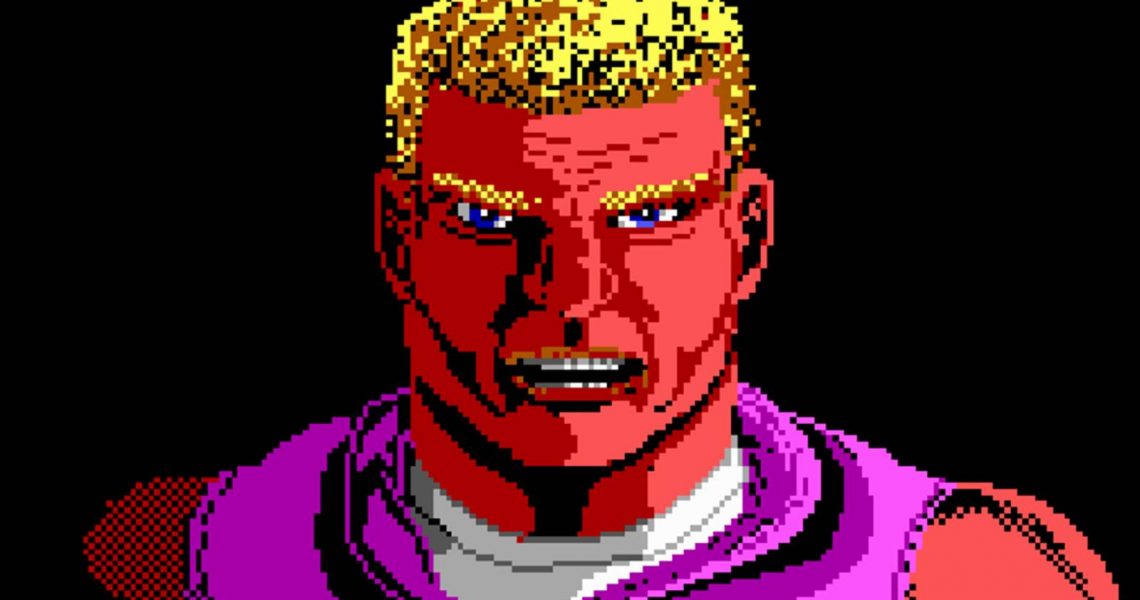
In 1991, the MS-DOS would receive the first Duke Nukem game, a side-scrolling 2D shooter similar to arcade classics like Contra and Bionic Commando. But it wasn’t until the third entry in the franchise, when it shifted from the 2D perspective to the 3D-FPS one, that Duke Nukem would truly establish its reputation as an early gaming heavyweight. Indeed, 1996’s Duke Nukem 3D is often cited as one of the best shooters of the 90s, and is credited, alongside Wolfenstein and DOOM, with popularizing the FPS genre.
The naming of Duke Nukem was a surprisingly contentious affair: the game’s developers first changed the name to “Duke Nukum” to avoid legally dubious comparisons to a Captain Planet character named Duke Nukem, and Duke University reportedly threatened legal action as a result of the moniker as well.
Since the series’ inception, Duke Nukem has staked itself in absurdity and risqué humor. One only needs to look at the series’ questionable depiction of women (exemplified by 2000’s Duke Nukem: Land of the Babes) to see how this of-the-era comedic slant could both alienate and entertain players, depending on their proclivities. It’s this hyper-specific persona, one mirrored by other popular characters of the time like Johnny Bravo and Leisure Suit Larry, that has blocked Duke from reentering popular culture.
Why Hasn’t Duke Nukem Carved Out a Place for Himself in Today’s Gaming Landscape?
The most enduring video game protagonists tend to be those with complexity, flexibility, and enough depth to grow as people between entries. For instance, God of War‘s Kratos, who has been at the center of gaming culture for over 20 years now, is guilt-ridden and angry in addition to being excessively violent. This keeps him interesting across entries, while also giving God of War‘s writers the space to develop him further, if they wish. On the other side of the complexity spectrum is DOOM‘s Doom Slayer, a man who is often depicted as more of an idea, a force of nature, than a normal human with fears, desires, and the like.
Most importantly, these iconic and long-running characters are likable, which is something that can’t exactly be said about Duke. His abrasive nature, which might have worked better during the mascot era of gaming, boiled over in 2011’s Duke Nukem Forever, the last game in the franchise. In Forever, whatever charm Nukem had in the 90s and early 2000s was overshadowed by his gruffness, simplicity, perversion, and lack of any real redeeming qualities besides his skill with a gun. Irreverent and boundary-pushing humor can work, but without an emotional core, characters like Duke Nukem just aren’t that interesting. Kratos has his family, grief, and honor; Geralt has his paternal instincts and good humor; Master Chief has his chivalry and sense of duty. Beyond his ability to kill indiscriminately, what does Duke Nukem have?
How Duke Nukem Could Come Back Into the Fray
Duke Nukem fans may argue that the character is meant to be satirical, or that his creepy and antisocial behaviors are “the point” of the series. But I’d argue that this kind of reading only makes sense when a story is subverting or commenting on the ideas it aims to satirize. Duke himself presents as an archetypal macho American man, but as a teenage boy might conceptualize the stereotype: he objectifies and “collects” women, shows no empathy or emotion beyond tepid anger, and his personal beliefs and choices are never challenged. Regardless of your own opinions about men and masculinity, it’s hard to argue in favor of this sort of character being interesting: he is the very definition of shallow and, I would posit, cringe-inducing.
If Gearbox Software ever did want to revive the Duke Nukem franchise, it has two models it could potentially follow:
- The God of War model: Reinvent Duke, and the Duke Nukem series by extension, through a more mature and story-focused game.
- The DOOM model: Strip Duke down to his most basic elements, making him both a blank slate and a symbol.
I’m partial to the DOOM model in this case since, unlike God of War, Duke Nukem has never had the narrative complexity or integrity to recreate its protagonist in such an interesting way. It’s hard to imagine a way to make Duke Nukem‘s juvenile misogyny, strange sexual innuendo, and painfully unfunny drunk-uncle humor sophisticated in retrospect. Duke Nukem has always been a joke, but the games seem to think that Duke himself is in on the joke. If he ever breaks through the membrane of modern gaming protagonists, it should be as a clown, not an aspirational figure. Perhaps leaning into his attempts to take shots at other games like Halo could be a way to handle his humor, leaving his sexist demeanor in the past. Still, given all the baggage, it’s not too surprising that Duke remains on the shelf.