Current RAM Prices Could Delay Next-Gen Consoles
The next PlayStation and Xbox consoles could come out later than expected, thanks to the ongoing RAM crisis. While PC gaming has borne the brunt of the effects of the AI-driven RAM shortage, the shadow has started to loom over consoles as prices continue to skyrocket. Amid this massive market shift, there are reports that PlayStation and Xbox could be rethinking their next-gen release windows in the hopes of some relief in the future.
It all began in October 2025, when two major RAM manufacturers agreed to set aside much of their memory for an OpenAI data center expansion project. As this agreement constrained the available supply, some consumer RAM prices more than tripled, and the issue has worsened since then. More memory manufacturers have shifted their focus away from consumer markets and gaming to serve the booming AI industry, and if this continues, console companies could feel the same pressure.

Rumor: Xbox Consoles Could See Yet Another Price Hike Soon
A gaming industry insider states that Xbox consoles could face another price increase, and lists the reason behind Microsoft’s rumored decision.
Xbox and PlayStation Could Delay Next-Gen Consoles to Wait Out the RAM Shortage
According to a report from Insider Gaming, console manufacturers are supposedly debating whether to delay their next-gen platforms amid this shortage. While consoles typically use a specialized form of memory separate from what gamers find in PCs, they still need RAM, and companies typically source it from the same suppliers, as just a few manufacturers account for most chip production. Consequently, companies like Sony and Microsoft also feel the effects of more RAM going toward AI applications, which could create production bottlenecks or raise costs. With the next-gen Xbox and PS6 reportedly targeting a 2027 launch window, it’s possible the shortage won’t resolve by the time these consoles are set to come out, so a delay may be necessary to avoid price hikes.
A recent Micron report stated the RAM shortage could last beyond 2026, as it will take time to construct more cleanrooms to support higher memory production. If that’s the case, it would almost certainly impact the PS6 and future Xbox if Sony and Microsoft intend to begin manufacturing in early 2027, as current rumors suggest. As Insider Gaming points out, consoles have historically subsidized their prices through game sales, but if RAM costs get high enough, that may not be enough to offset the expenses, especially considering how the next generation will already be expensive to produce. Waiting for conditions to settle would help Sony and Microsoft avoid passing higher costs onto consumers.

In the past, console companies have raised their prices to make up for their own expenses. Sony, Microsoft, and Nintendo have all done it, but repeating the same strategy this time around may not be in their best interest. After months of relatively low numbers, video game hardware sales hit a 30-year low in November 2025, even with the Switch 2 flying off shelves. Given this dramatic drop in consumer spending and recent price hikes across the gaming industry, another bump in console costs could drive customers away and hurt sales more than Xbox or PlayStation is comfortable with. Waiting until they can justify a lower end-user cost may be worth it in light of this pressure.

Neither Sony nor Microsoft has commented on how the RAM crisis could affect their next-gen console plans yet. However, a release delay does seem like a real possibility, as does a price increase if console companies don’t delay anything. That may seem scary, but there could be an upside to the current generation lasting longer, depending on how the industry responds. For now, though, the future is uncertain, and things are looking increasingly cloudy for the PlayStation 6 and next-gen Xbox as RAM prices soar with no end in sight.
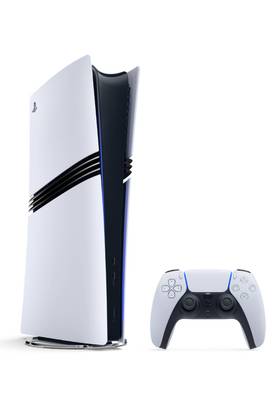
- Brand
-
Sony PlayStation
- Original Release Date
-
November 7, 2024
- Original MSRP (USD)
-
$749.99
- Processor
-
AMD Ryzen Zen 2 (8 cores, 16 threads, 3.5GHz)
- Resolution
-
Up to 8K
- HDR Support
-
Yes
Source: Insider Gaming