Shawn Layden Comments on Game Budgets and Length
Former PlayStation president and CEO Shawn Layden recently discussed the length and budgets of video games, suggesting that both need to be more modest in the future. PlayStation certainly isn’t a stranger to releasing lengthy games, as it recently launched Ghost of Yotei, an open world title with a sprawling story that allows players to immerse themselves in Atsu’s quest for revenge. However, plenty of PlayStation games focus on a more compact experience, with titles like The Last of Us and Uncharted offering gamers stories that wrap up in under 20 hours.
Shawn Layden certainly isn’t the first person in the video game industry to suggest titles have become too long for their own good, potentially offering more content than many players can hope to complete. Early in 2025, former Bethesda developer Will Shen also claimed modern games were getting too long. Shen claimed that many players have become “fatigued,” suggesting that the audience wants more modest experiences that allow them to complete everything without spending dozens of hours playing a single game. It’s worth noting that Will Shen has worked on massive AAA titles like Starfield, Fallout 4, and Fallout 76, which means he certainly knows a lot about developing games packed with content for players to enjoy. While this does seem to be a growing part of the discussion around video games, the success of lengthy titles like Baldur’s Gate 3 suggest that plenty of gamers are still willing to sink a lot of time into quality experiences.

Former Sony Boss Criticizes Industry’s Focus on Live Service Games
A former Sony executive criticizes the industry’s exaggerated focus on live service games, comparing it to seeing a ‘mirage’ in the desert.
Shawn Layden Wants to See Shorter Games and Development Cycles
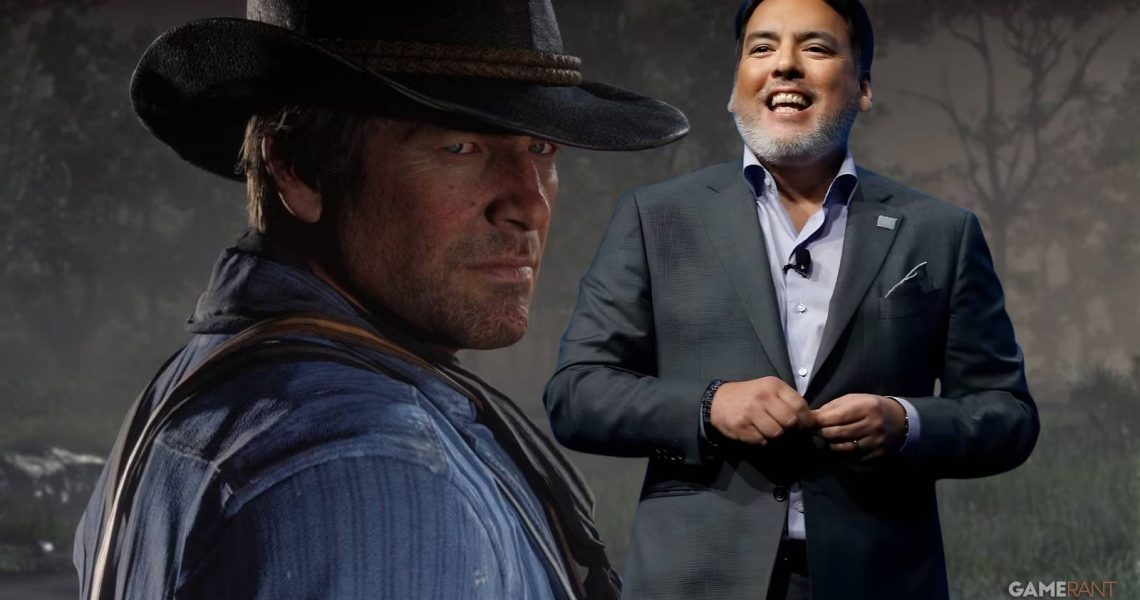
In a recent appearance on Game Rant’s Character Select, former PlayStation boss Shawn Layden discussed current gaming trends and where things might be going in the future. During the interview, Layden took aim at the current way big AAA games are made, as they often take several years and millions upon millions of dollars to complete. Layden doesn’t seem to believe this is the right move, stating, “We need to get back into the 2-3 year cycle for games. I think we need to get to a place where games are double-digit millions to make, not triple-digit millions. I’d like to get games that are 20 to 25 hours of gameplay.” From Layden’s perspective, this makes a lot of sense, as he believes the way to get more people to play games is to have more people making games. Big AAA titles that span years soak up a lot of the industry’s talent and resources, which could result in fewer games being produced overall.
Layden suggested that, at one point, larger games spanning dozens of hours made sense. However, as the average age of gamers has skewed older (into the 30s), many players don’t have as much time as they once did. Layden claimed that, “not everybody has 88 hours to play Red Dead Redemption 2.” While that may be true, Red Dead Redemption has been a massive success for Rockstar, something the company is likely hoping to repeat or exceed with the highly anticipated launch of Grand Theft Auto 6 in 2026.
A lot of gamers have been paying special attention to development cycles recently, as there was some speculation about when Star Wars: Fate of the Old Republic could make its debut. While some reports claimed that gamers likely wouldn’t see the recently announced title until 2030, game director Casey Hudson stated that he doesn’t believe players will need to wait that long. CD Projekt Red is also paying close attention to development cycles, as it recently stated that it intends to release its next three Witcher titles within a span of six years. This seems to be incredibly ambitious, causing some players to wonder if the games will contain the same amount of content as previous entries in the franchise. While there’s no way of knowing how things will trend in the future, it seems as if players have plenty of titles to look forward to.