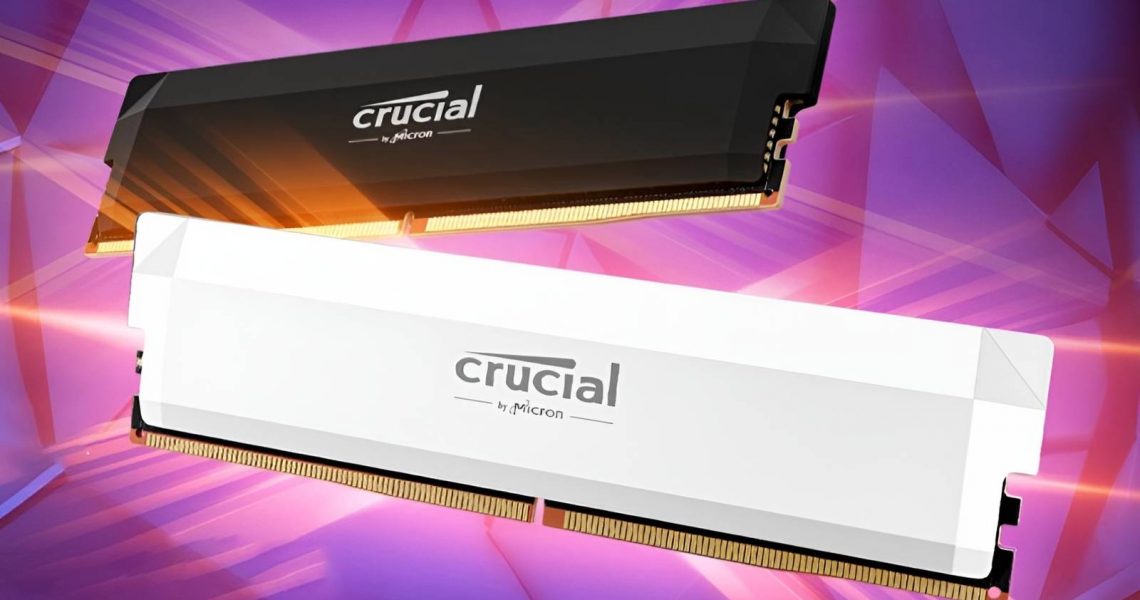
Micron Comments on How Long the RAM Shortage Could Last
The future of PC gaming looks a little bleak right now, as chipmaker Micron has claimed the RAM crisis could last beyond 2026. Rising game and hardware costs have been a consistent theme throughout 2025, but for the most part, most of these price hikes have hit consoles like the PlayStation 5 and Xbox Series X. More recently, though, PC gaming has taken numerous blows as AI-driven demand has led to skyrocketing RAM prices.
The current shortage began in Fall 2025, thanks largely to a deal between OpenAI and two of the world’s largest RAM manufacturers, Samsung and SK Hynix. When those companies agreed to delegate many of their resources away from consumer components and toward the AI market, DDR5 RAM kits tripled in price in some cases. Since then, other semiconductor businesses like Micron have joined the shift toward AI, further constraining the RAM market and accelerating the worrying rise in PC part costs.

Rumor: Xbox Consoles Could See Yet Another Price Hike Soon
A gaming industry insider states that Xbox consoles could face another price increase, and lists the reason behind Microsoft’s rumored decision.
Micron Expects RAM Market to Remain Tight Throughout 2026 and Beyond
In its latest quarterly earnings report, Micron made the unsurprising but still disheartening prediction that it expects the RAM shortage “to persist through and beyond calendar 2026.” The statement applies not just to Micron, but the industry as a whole, with the manufacturer stating that the global RAM supply will likely remain “substantially short” of the demand created by AI data centers “for the foreseeable future.” While AI may be the driving force behind the shortage, gamers will feel the effects, too, as more supply going to data centers means less available for gaming. Notably, Micron announced it was ending its consumer RAM segment altogether amid this trend, which will constrain the available supply for PC and console markets even further.
According to Micron’s report, the company is trying to catch up with AI demand, but that adjustment will take time. As the presentation explains, RAM production requires cleanrooms, and building more of these high-tech manufacturing environments is a slow process. Micron claims lead times for this construction are growing longer across locations, so production won’t scale up quickly. It’s safe to assume other RAM companies are dealing with similar challenges, as evidenced by rising prices across the board. Outside of Micron, Samsung raised DDR5 RAM prices by over 100%, and that was for the bulk pricing it offers PC part manufacturers, so similar hikes are almost certain to trickle down to end users.

Because memory is such a crucial piece of gaming hardware, this shortage will affect much more than just the price of RAM kits. It’s rumored that Nvidia may cut GPU production by up to 40% in 2026 amid the RAM crisis, with the newer 50-series GPUs bearing the brunt of this cutback. Many companies like Nvidia don’t manufacture their own RAM but buy it from suppliers like Micron, Samsung, and SK Hynix to integrate into their consumer-ready components. So, because the shortage stems from so far up the supply chain, availability and cost concerns will ripple across RAM kits, graphics cards, and CPUs, which is not a welcome trend for anyone building or upgrading a PC.

These price hikes could extend beyond PC gaming. Console SoCs need memory, too, so any manufacturers without large enough safety stocks of these crucial components may soon run into a sticky situation. There’s talk that Switch 2 prices could rise, and another increase for the Xbox Series X/S may not be off the table, either. It’s unclear how long exactly the RAM shortage will go beyond 2026 or how high costs will get in the meantime, but it will be an uncomfortable time for gamers and manufacturers alike as long as it persists.
Source: Micron