Upcoming JRPG Remaster Puts You in the Shoes of an Anti-Hero (and the Original Received “Strong” Reviews on OpenCritic)
It’s been a real heyday for JRPG revivals, and the upcoming Tales of Berseria Remastered is adding to the ever-growing pile. But whether this reprisal of the original Tales of Berseria will be as warmly received as something like Trails in the Sky 1st Chapter, or more contentious titles like Final Fantasy 4 3D Remake, only time will tell.
What’s unusual about Tales of Berseria Remastered is its proximity to the original: Tales of Berseria was only released in 2017 (2016 in Japan), for PC and PlayStation. Since then, audiences have been treated to the extremely solid Tales of Arise, which is probably more front-of-mind for the average gamer. Berseria‘s PlayStation exclusivity probably didn’t help its chances outside the Tales fanbase either. Perhaps it’s for this reason, combined with the boom in JRPGs’ mainstream popularity courtesy of games like Metaphor: Refantazio and Clair Obscur, that developer-publisher Bandai Namco has opted to give Berseria a new lease on life less than a decade after its initial launch. Whatever the case, Berseria is a worthwhile timesink for fans of party-based RPGs, and its remaster, premature though it may seem, is a good excuse to check it out.
2026 marks the 30th anniversary of the Tales series, which partially explains the remaster. Though the choice to remaster Berseria instead of other, older Tales games is still a bit confusing.
Tales of Berseria’s Story Is Dark and Unique
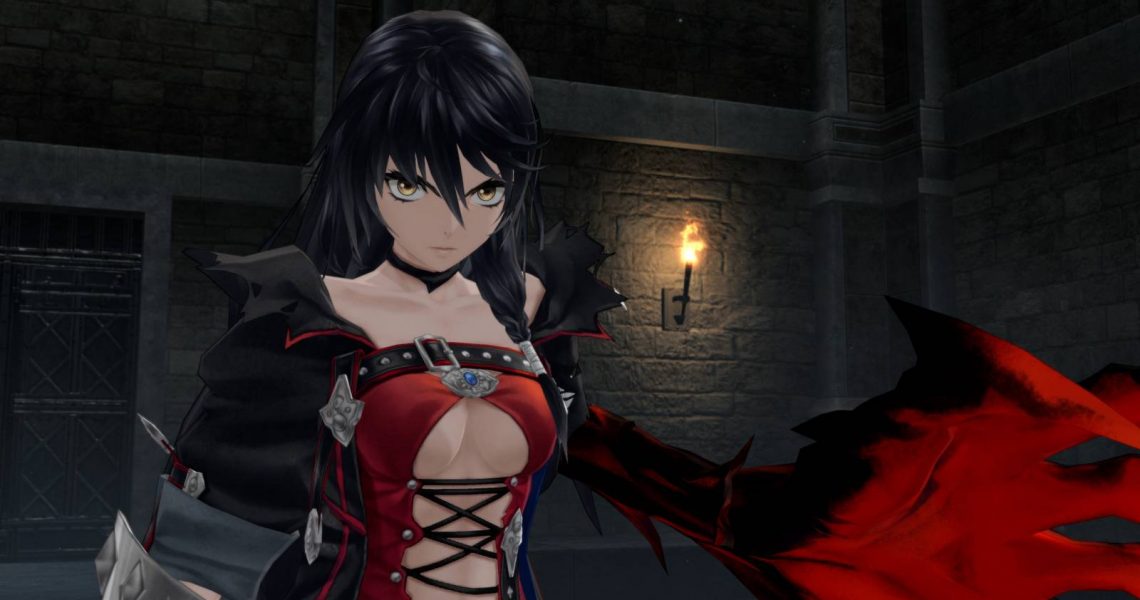
From the outset, Tales of Berseria doesn’t sound that different from many other JRPG stories. It takes place in a fictional medieval kingdom called Midgand, which has been overtaken by a plague known as Daemonblight, a condition that turns humans into bloodthirsty, irrational beasts. Naturally, these beasts, called Daemons, pose a serious threat to humanity, and it’s up to Berseria‘s protagonist, Velvet Crowe, to put a stop to them.
While the two aren’t explicitly connected through plot, Tales of Berseria takes place in the same setting as Tales of Zestiria, its closest predecessor.

Rearrange the covers into the correct US release order.
Rearrange the covers into the correct US release order.
Easy (5)Medium (7)Hard (10)
But although Besteria‘s fantasy backdrop and humans-turned-to-monsters premise are typical for the genre, a shocking betrayal in the early game turns the plot into something much more compelling. Essentially, Velvet herself becomes part-Daemon, and is possessed by a singular drive for vengeance against those who betrayed her. Unlike most JRPG protagonists, Velvet is not an altruistic, family-friendly hero modeled after the likes of Goku or Naruto. She’s much more like Guts from Berserk: reveling in violence and using her hate and anger as fuel, which makes her refreshingly textured and complex.
At the same time, Tales of Besteria certainly isn’t grimdark. Like its contemporaries, it has an eclectic and charismatic cast of party members for players to befriend, alongside a whimsical and mystical fantasy world that takes some of the venom out of its violent and sometimes unsettling narrative.
What Is Tales of Berseria Remastered Actually Changing?
Tales of Berseria Remastered might be a good opportunity for newcomers to dip their toes into the Tales series, but its reveal hasn’t exactly garnered universal applause. Of course, there are those who resent the remaster because of its prematurity, but more than that, the remaster doesn’t look a whole lot different from the original. Graphically, it’s remarkably similar to the 2017 version of the game, and it doesn’t appear to have made fundamental changes to gameplay either.
A look at Bandai Namco’s own website doesn’t do much to change this narrative. The developer offered a list of the major changes in Tales of Berseria Remastered in a November blog post; here are some of the changes and additions that have been touted:
- A new destination icon
- Grade Shop is now available on first playthrough
- Increased default movement speed
- Streamlined item gathering
- Return-to-top options in menus
- An overall volume slider in Options
Needless to say, these aren’t exactly revolutionary. Some tweaks, like the earlier availability of the Grade Shop, which is essentially a shop for endgame-level bonuses that are akin to cheats, are nice to have, but not enough to blow anyone’s mind. The same can be said about other quality of life changes, like better item gathering and changes to UI and UX elements. Put bluntly, it seems like these changes could have been, in theory, implemented through a patch rather than a full-blown remaster.
Tales of Berseria Remastered‘s Steam page once described it as having “enhanced graphics,” but as spotted by Reddit users, this claim was subsequently removed.
For those interested in Tales of Berseria, it may be better to think of Tales of Berseria Remastered as more of a re-release than a proper remaster. It will run better, and perhaps look slightly better in places as well, but it seems like its greatest contribution will be its cross-platform availability, as it will finally bring Berseria to Switch and Xbox. Interestingly enough, Tales of Berseria Remastered is set to retail at $10 USD less than the original, with all DLCs included, so it will be a nice bargain if nothing else.

- Released
-
February 26, 2026
- ESRB
-
Teen / Mild Blood, Language, Suggestive Themes, Use of Alcohol, Violence
- Developer(s)
-
D.A.G Inc.
- Multiplayer
-
Local Co-Op