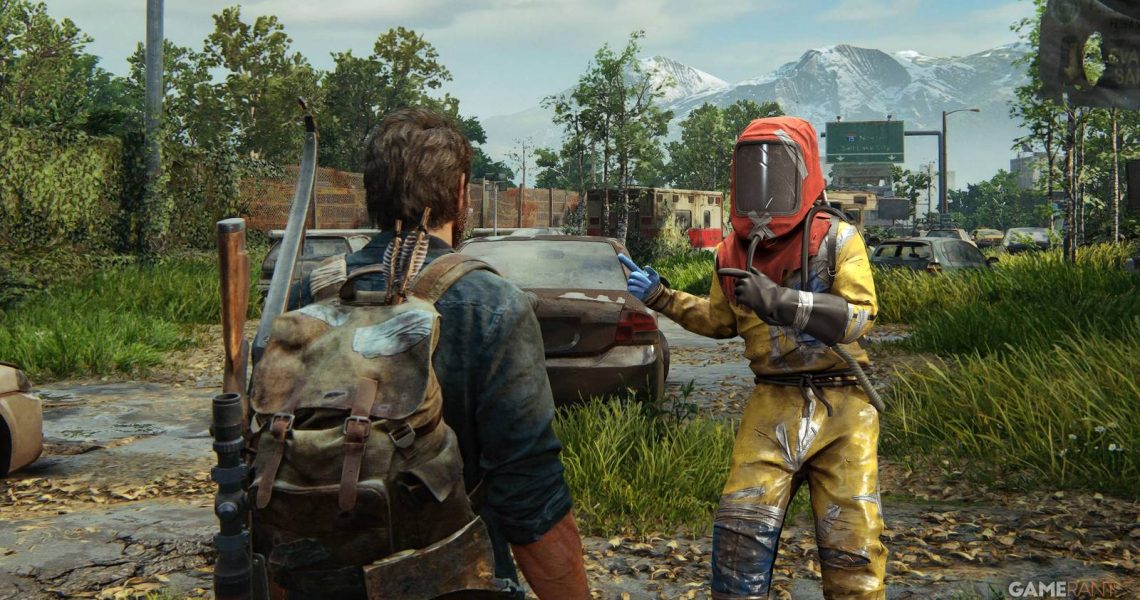
A New Open-World Survival RPG Feels Like Rust and The Last of Us Combined
Survival games are ubiquitous these days, and an upcoming entry in the genre, Ardem, is aiming for success by channeling some serious Last of Us and Rust vibes. The game, which is being developed and published by indie outfit Techtive Games, is currently in open alpha, with an early access version expected to come at some point in 2026.
The PvPvE survival space is, in some ways, defined by Rust. A relatively early game in the genre, Rust has captured the attention and imaginations of players around the world since its early access release in 2013. What separates it from other mainstream survival games like Subnautica and The Forest are its scale and ambition: you start small, but can eventually craft complex, sprawling bases, engage in massive PvP events, and launch raids with other players. But Rust has a decidedly industrial, semi-junkpunk aesthetic, as well as a greater emphasis on action and MMO features; these are areas where Ardem departs from this potential inspiration, with the Steam game edging ever so slightly closer to The Last of Us, at least in terms of presentation.
Ardem Captures the Dynamic Open-World Survival Mechanics of Rust
Alone or with friends, explore handcrafted abandoned locations, gather resources, build bases, repair vehicles, and restore civilization through the power of electricity.
First thing’s first: what exactly is Ardem? Techtive describes it as “an immersive open-world survival RPG,” which seems straightforward enough, but the game is more ambitious and feature-rich than that short elevator pitch suggests. Here’s a list of Ardem‘s key features and systems, per the game’s Steam page:
- 64 km² of fully handcrafted world with hundreds of unique locations to explore.
- Player actions permanently alter the conditions and structures of the world.
- Diverse enemy types with unique behaviors and attack patterns.
- Deep base-building system with exceptional creative freedom.
- Hundreds of objects to customize and decorate your shelter.
- Dynamic electricity system with multiple power sources and uses.
- Innovative vehicle system with upgrades, modules, and customizable attachments.
- Fully customizable weapon system with attachments and modifications.
- Fully personalizable character system for appearance, gear, and playstyle.
- Dynamic temperature and clothing system that realistically simulates weather, warmth, and protection.
- Grow crops, hunt wildlife, and fish to stay alive.
- Play solo, co-op, or online with up to 64 players per server.
- Host your own server and tailor your experience. PvE, PvP, or Roleplay, your choice.
So, like Rust, Ardem takes place in a massive open-world that can be adapted and shaped by players’ collective will. But while Rust has much more of an action-FPS slant, featuring raids and dedicated PvP events, as well as overall gameplay loops incentivizing combat, Ardem is positioned as a bit slower and more survival-oriented. Maintaining vehicles, establishing consistent sources of food, and reconnecting power grids are the activities that form the brunt of its gameplay loop, rather than gunfights.
This shift in priorities is reflected in Ardem‘s overall aesthetic, which is at once more grounded and more fantastical than Rust‘s. There are zombie NPCs in Ardem for the player to worry about, but the game’s setting isn’t a mysterious, wartorn island like Rust‘s. Rather, Ardem stakes itself in the mundane and familiar, which brings it closer in line with the tone and visual style of The Last of Us.
Ardem Shares The Last of Us’ Tranquil Apocalyptic Flair
What’s immediately striking about Ardem is how peaceful it seems—until you see the zombies, of course. But bloodthirsty undead notwithstanding, the game does channel a sort of terrible beauty: nature has taken over, plants creep over the walls of ruined buildings, and trees sprout in what were once living rooms, offices, bedrooms. There’s a lonesome quality to Ardem‘s world, which informs its broader approach to gameplay.
It’s telling that the overwhelming majority of Ardem‘s promotional content centers on exploration, crafting, and survival, rather than combat. This world is one where humanity is no longer the dominant species, and must scavenge, improvise, and adapt in order to survive. This kind of pensive loneliness is something that games like The Last of Us and State of Decay popularized. It’s a familiar world, but also a barren, brutalized one.
Ardem’s Early Access Will Let Players Put It Through Its Paces
I’d be remiss if I didn’t mention another game that Ardem is reminiscent of: The Day Before. Undoubtedly the greatest failure of 2023, The Day Before earned a rare 1/10 rating from IGN as a result of its half-baked game systems, terrible enemy AI, empty world, and ham-fisted multiplayer. It, too, was clearly inspired by The Last of Us, and also had an ostensible focus on crafting and customization.
But The Day Before was a unique flop whose development circumstances still aren’t entirely understood. Ardem has had a much more transparent pre-release strategy, offering plentiful updates and even allowing players to go hands-on via playtests. Its persistent open-world, clear focus on survival and RPG elements, and manageable ambitions give it a much greater chance of success compared to The Day Before, not to mention the innumerable other Last of Us-inspired zombie open-world games littering the Steam marketplace. When it releases in early access, audiences will be able to determine Ardem‘s quality for themselves, but until then, it looks like a game to be tentatively excited about.