PlayStation 3’s Forgotten 2007 Action Game Remains One of Its Best—and Most Surprising—Single-Player Games
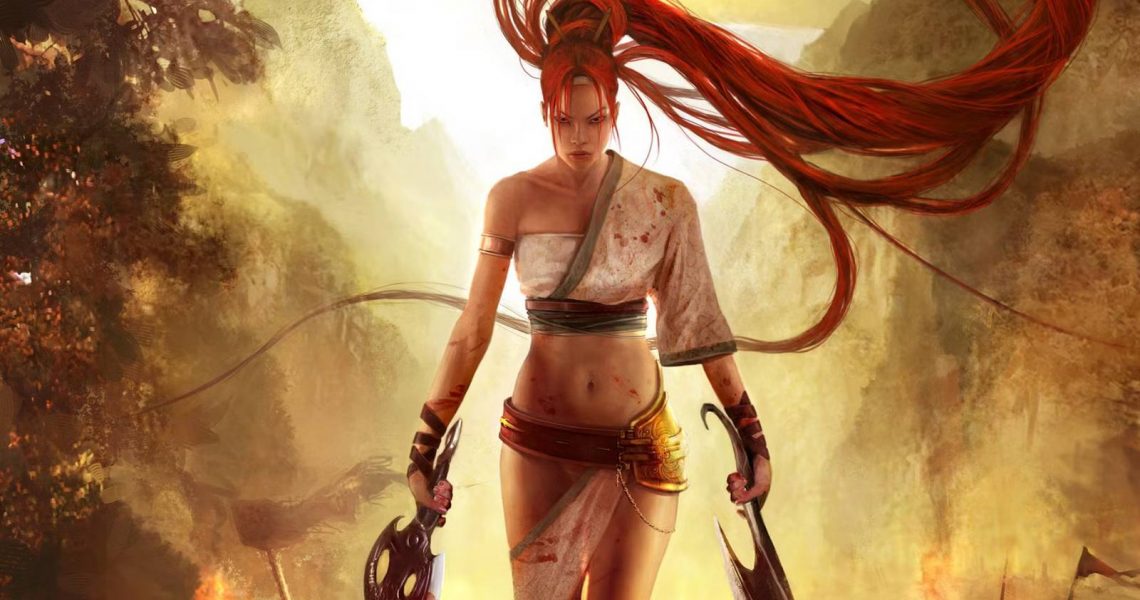
The PlayStation 3 is a fascinating console, and few games encapsulate its oddities better than 2007’s Heavenly Sword, a single-player hack-and-slash adventure from Ninja Theory. Heavenly Sword was often overlooked during its time—many may only remember it as little more than another “edgy sword lady game” of the era, sitting alongside the likes of Bullet Witch and Primal. But the game is much more than just another cut-and-dry action-adventure title.
Heavenly Sword centers on Nariko, a member of a warrior clan in a fictional tribal society. Nariko’s story is central to what makes Heavenly Sword special: its plot and presentation, while certainly not perfect, were notably bold and inventive for the time. This, paired with its God of War-inspired gameplay, earned it a favorable reception from critics, most of whom put it in the 7/10 or 8/10 range. A modern point of comparison, on the critical front, would be something like Black Myth: Wukong. Sadly, Heavenly Sword never matched the sales of a Wukong, not even recouping its development costs. Its underwhelming commercial performance led to Ninja Theory scrapping the Heavenly Sword trilogy it had planned.
Heavenly Sword’s Single-Player Campaign Deserves Its Flowers
By 2007, video games had long been embracing more dramatic, mature storytelling. But for every Metal Gear Solid 2 or BioShock, there were several Dark Sectors and Alone in the Darks—games that tried their best to be edgy and intense, but wound up stilted and dull. Given its beige color palette, grimdark fantasy world, and sword-wielding protagonist, Heavenly Sword could have easily been one of these derivative and pretentious outings. Indeed, its lukewarm reception may have been partially the result of the oversaturated and derivative action game market of the time.
But Heavenly Sword‘s campaign is ambitious and respectable enough to make it a cut above much of its competition. Nariko is quite a compelling character who is presented as a well-rounded individual; she is at least deeper than many objectified female leads of the era. She is part of a tribe that follows a prophecy related to the titular Heavenly Sword, which is said to be forged by the gods and only meant to be wielded by a chosen “mortal man” born during the “year of the fire-horse.” When Nariko is born during this period, and with the fire-red hair of the prophesied hero, her people shun her as a portent of doom. Since she was born a woman and not a “mortal man,” her existence is considered a mockery and an abomination.
From this premise sprouts a complex web of nuanced interpersonal relationships, which are the best aspect of Heavenly Sword‘s writing. Much like its successor Enslaved: Odyssey to the West, Heavenly Sword shines brightest when exploring human emotion and connection, delving into the psyches of its characters. Heavenly Sword is full of key character details, like Nariko’s complex relationship with her tribe, or antagonist Bohan’s shame about his son’s physical appearance. Such details lend the game a refreshing sense of fullness, convincing you that its characters—the good, the bad, and the in-between—are as dynamic and multifaceted as real people.
These characters are brought alive by Heavenly Sword‘s cast, which includes Andy Serkis as Bohan and Mindhunter‘s Anna Torv as Nariko.
How Heavenly Sword Was Ahead of Its Time

Heavenly Sword‘s rich, likable cast and complex female lead certainly stood out at the time, but its more noticeable advancements were on the technical front. The game boasted some impressive tech, especially through its physics systems and motion-captured cutscenes. It may have looked like an old-school God of War on the surface, but the fidelity of Heavenly Sword‘s cinematics, the visual density, and the realistic physics all far surpassed anything Santa Monica Studios had done up to that point.
Worth noting is that Heavenly Sword balances its technological prowess with a firm artistic vision. While it does rock the 2000s gray color palette at times, this scheme is peppered with bursts of vibrant color, making for a distinct visual style. This has helped Heavenly Sword age gracefully, as its sense of style remains evident even while the cutting edge of technology evolves.
Is Heavenly Sword Worth Playing in 2025?
Heavenly Sword can safely be called underrated, but make no mistake: it still feels like a 2007 hack-and-slash game. The camera perspective is fixed, weapons are smooth but weightless, combat easily devolves into button-mashing, and the controls are filled with of-the-era quirks like evading with the right control stick. Even so, combat is hardly as expressive or deep as its contemporaries, such as Devil May Cry and God of War.
But it’s absolutely worth playing for fans of the hack-and-slash genre, specifically those with a soft spot for this era. Heavenly Sword‘s mechanics and systems may not exactly be groundbreaking, but it’s absolutely more than the sum of its parts.
Modern Games Like Heavenly Sword
- Bayonetta 3
- Hellblade: Senua’s Sacrifice
- Senua’s Saga: Hellblade 2
- Ninja Gaiden 4
- Final Fantasy 16
Heavenly Sword Might Be Gone, but Its Spirit Burns Bright at Ninja Theory
The Heavenly Sword team would go on to work on Enslaved after the former’s trilogy was scrapped. Enslaved has no direct narrative connection to Heavenly Sword, but it retains much of its soul. Heavenly Sword is also surprisingly prototypical of Hellblade, featuring similar fatalistic themes, a psychologically complex female lead, and similar curse mythology. Much of Hellblade‘s cutscene direction is reminiscent of Heavenly Sword too.
Heavenly Sword received an animated film adaptation in 2014, but this failed to reignite significant interest in the IP.
Although it never got any sequels and is regularly overlooked in discussions about 2000s gaming, Heavenly Sword set the stage for Ninja Theory’s growth as an artistic unit. Even then, it was clear that the studio was striving to be on the cutting edge of video game storytelling, not only in terms of motion capture, animation, and overall visual detail, but writing and acting as well. Maybe Heavenly Sword will come back one day, but even if it doesn’t, audiences can be confident that Ninja Theory will carry its flame.