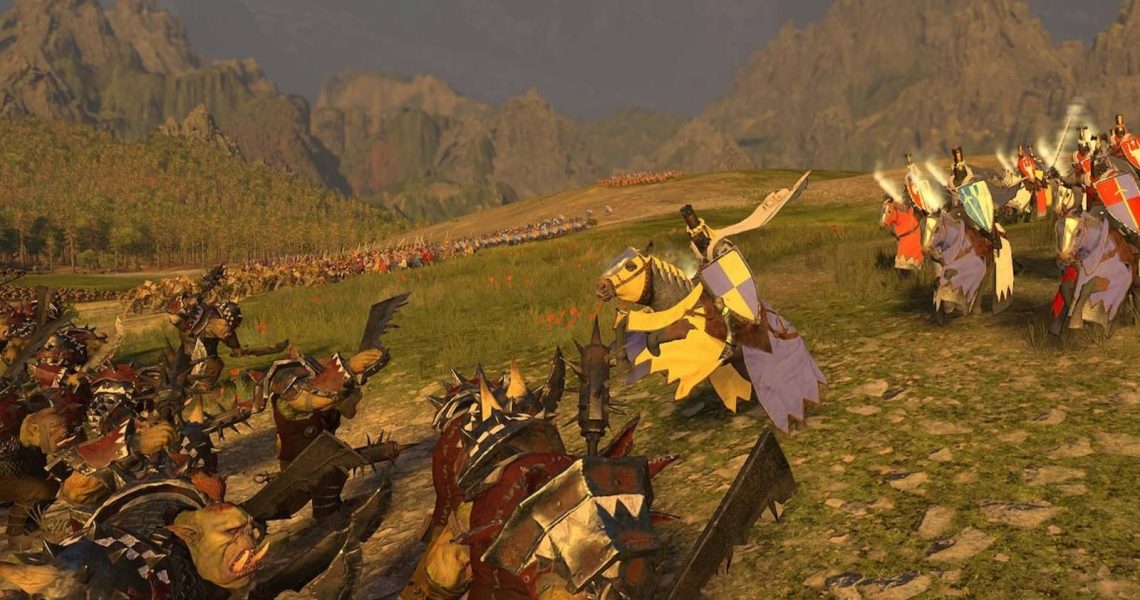
Total War Warhammer 3 Cavalry Guide
While not every army in Total War: Warhammer 3 has access to cavalry, those that do can often make great and devastating use of them. A bunch of heavily-armored guys on heavily-armored horses are bound to inflict tons of damage to enemy lines, but if you mismanage your cavalry units even by just a tiny bit, you can expect your own losses to start piling up.
Using cavalry in Total Warhammer 3 is fairly simple, but using them effectively is a different story. In this guide, we’ll be going over the different types of cavalry units available in the game as well as some tips and best practices on how to use each of them.

Total War: Warhammer 3 – Best Legendary Lords, Ranked
Total War: Warhammer 3 has a variety of Legendary Lords, each with their own strengths and weaknesses.
All Total Warhammer 3 Cavalry Types

Cavalry units come in different shapes and sizes, and more importantly, they have different roles to fulfill. It doesn’t matter if your cavalry unit is riding horses or dinosaurs — if you use them for the right job, they’re bound to get slaughtered. Different cavalry units excel in different jobs, and some factions in Total Warhammer 3 have better cavalry units than others. You can see what role a unit has right below their name on their unit cards. Cavalry types include:
|
TWW3 Cavalry Types |
|
|---|---|
|
Type |
Role/Description |
|
Shock Cavalry |
Shock Cavalry are meant for charging in and out of the fray. They tend to have low offensive and defensive stats, but have high Charge Bonuses. Use Shock Cavalry to charge the rear or flanks of the enemy, then once they make contact, pull them back immediately. |
|
Cavalry/Heavy Cavalry |
Cavalry/Heavy Cavalry are the opposite of Shock Cavalry. While they can still ram enemies with charge attacks, they typically have stats that are good enough to let them stay in prolonged fights. They’re great for routing or wiping out enemy units together with infantry. |
|
Light Cavalry |
Light Cavalry units are meant for harassing archers, siege weapons, and other cavalry. They are lightly armed, but they’re lethal enough to deal with other light targets. The superior speed of these units allows them to traverse the battlefield and outpace enemies. |
|
Missile Cavalry |
The job of these skirmisher units is to whittle down enemy units to make them easier targets for everyone else in your army. Instead of charging into a formation, they work best when strafing or circling around enemies where their ranged weapons can deal the most damage. |
|
Chariots |
Chariots can function either as Shock, Heavy, or Missile cavalry, depending on the chariot itself. They function the same, though they tend to have more destructive power at the cost of having fewer models per unit. |
|
Monstrous Cavalry |
Cavalry units mounted on all sorts of monstrous beasts. They have a similar function to heavy cavalry, albeit with better combat stats and much fewer models per unit. |
|
Flying Cavalry |
Flying Cavalry units can serve the same role as any of the other cavalry types above, but with one caveat: they can fly over both terrain and targets. Use these units to fly straight to important targets like casters and siege engines. You can use them to harass enemies hiding behind walls during siege battles too. |
How to Use Cavalry Properly in Total Warhammer 3

The most important thing players must understand when using cavalry is that these units require a lot of micromanagement. Monstrous and Heavy Cavalry don’t require as much attention, but everything else (especially Shock Cavalry) demands more of your focus.
Cavalry Charges
Additionally, when using cavalry, you need to know how to initiate a charge. This is done by selecting your cavalry unit then double-clicking on your target. Doing so will order your horsemen to attack the enemy at full speed, often trampling frontline models and dealing massive health and Leadership damage to them.
Hammer and Anvil
The Hammer and Anvil tactic involves engaging the enemy line with your infantry (the anvil) then hitting them from behind with cavalry (the hammer). While the enemy force is pre-occupied with your troops, order your cavalry to charge at them from behind, then once they deal damage, pull them back for another charge. Rinse and repeat until the enemy loses the will to fight.
The Direct Approach
Sometimes, ordering a few cavalry units straight into the enemy is the way to go. If the enemy frontline is composed of mainly swordsmen or shock troops, you can order Heavy or Monstrous Cavalry to break their line immediately. Doing this will allow your infantry to surround the enemy, giving them no chance to retreat.
Using Formations
The default line formation for cavalry units will work well in most engagements, but try to keep the formation deep (not wide) so the unit can inflict the most damage without having its individual soldiers surrounded.
Now, as for specialized formations, try out the following:
- Lance/Wedge: Use for when you want to break through an enemy line completely. Best used with Shock or Heavy Cavalry.
- Echelon: This staggered cavalry formation is designed to give Missile Cavalry as much ranged coverage as possible while circling/strafing the enemy.
You can absolutely win battles without ever resorting to changing your cavalry unit formations, but if you want to score decisive victories, then masterful use of these will see you through. Stronger cavalry units like Skullcrushers of Khorne can bulldoze enemies without much worry thanks to their beefy stats.
What Does Charge Bonus Do?
Charge Bonus is a stat that applies to most (if not all) units in Total Warhammer 3. It applies a bonus to a unit’s Melee Attack and Weapon Strength after they perform a successful charge based on the Charge Bonus stat itself. This bonus decays over roughly 10 seconds.
Melee Attack is your unit’s chance to hit, while Weapon Strength is the damage your unit deals upon a successful hit.
Do’s and Dont’s When Using Cavalry

- Unless you’re using monsters and heavy units, you should always be managing your cavalry while the rest of your army fights naturally. Don’t let them stay in a fight for too long.
- Avoid enemy spearmen and any other anti-cavalry unit when ordering a charge.
- Always pick your target before ordering a charge. Attacking an enemy’s anti-infantry unit may be the better call as opposed to charging the backs of occupied spears or anti-monster units.
- Prioritize the support elements of the enemy’s army first. Units like archers and siege engines often take priority over battle lines, especially during the start of a battle.
- Make sure your cavalry units aren’t alone when charging into battle. Unless you’re confident your men can beat the enemy, keep your infantry and other units relatively close to where the brunt of battle is bound to happen.
- Cavalry will almost always lose in a prolonged fight against an elite infantry unit. Charge them if you must, but don’t stay in combat for too long.